Gaskets
Reliable sealing - precisely manufactured by HP FOAM from PE- and PU-foam, EPDM, NBR and CR
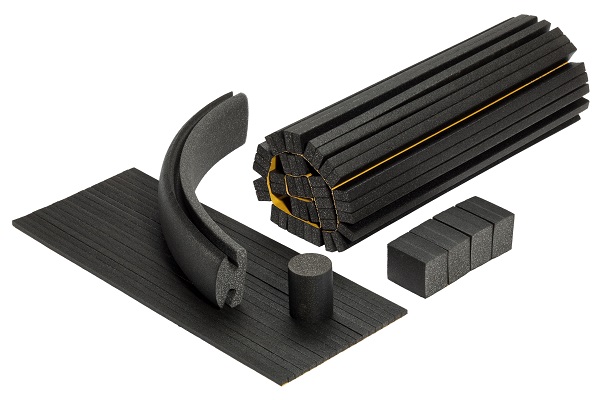
Whether in mechanical engineering, the automotive industry or building services engineering – gaskets must function reliably over the long term. At HP FOAM we manufacture gaskets from high-quality foams such as PE (polyethylene), EPDM, NBR, CR, and PU (polyurethane), individually tailored to your requirements.
Our gaskets provide lasting protection against moisture, dust, vibration and noise, even under demanding operating conditions.
Our Materials
PE Foam (Polyethylene)
Lightweight, chemical-resistant, and closed-cell—ideal for sealing against moisture and as a cushioning or padding material.
EPDM Foam (Ethylen-Propylen-Dien-Kautschuk)
Weather-, ozone-, and UV-resistant. Perfect for outdoor use, such as in window, door, or automotive seals.
NBR Foam (Nitrile Rubber)
Excellent oil and fuel resistance—ideal for technical applications in mechanical engineering, the automotive industry, and the electrical industry.
CR Foam (“Neoprene”)
High temperature and aging resistance combined with good weather resistance. Universally applicable for static and dynamic seals.
PU Foam (Polyurethane)
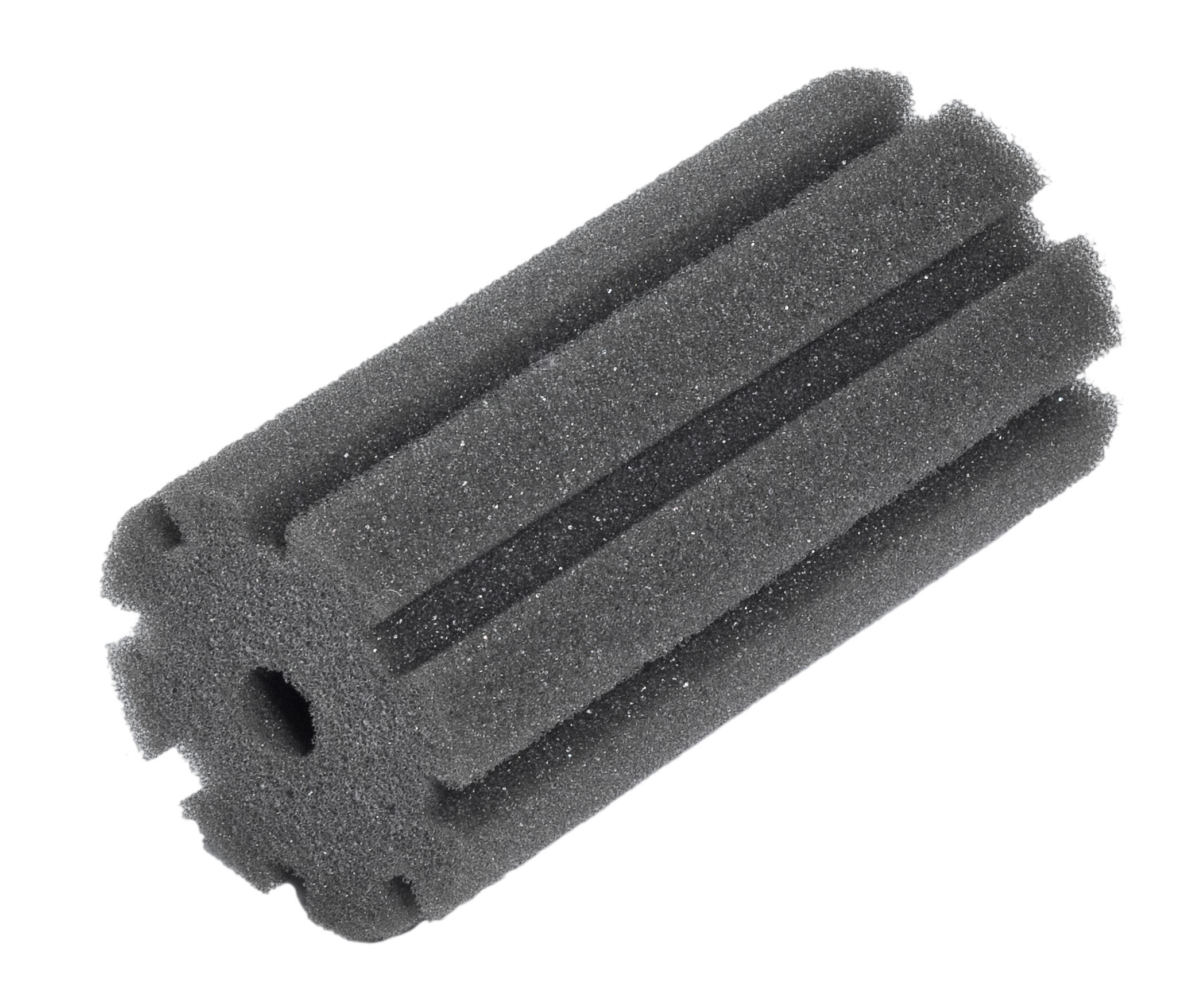
Available in open-cell or semi-open-cell configurations. Highly elastic and dimensionally stable for cushioning, insulation, and sealing in a wide variety of applications.
Do you need self-adhesive gaskets? No problem—thanks to the “kiss-cutting” process. In this process, the cut and coated components are die-cut down to the paper backing but not all the way through. This allows the self-adhesive gaskets to be easily removed individually from the sheets during your production process and can be processed directly.